

Are you tired of your outrageous cable bill? I can definitely relate. For years, we've been conditioned to think that a massive bundle of channels you barely watch is the only way to get live sports, news, and premium content. What if there was another way, there's a powerful and flexible alternative that's gaining massive popularity around the world: IPTV. It's a landscape that feels a little like the Wild West, but with the right guide, you can find exactly what you're looking for.
In my journey to cut the cord completely, I discovered the world of IPTV streaming services. It totally transformed how I watch television. However, it’s an area rife with misinformation, confusing terms, and a few potential pitfalls. That's why I've put together this comprehensive guide to demystify the entire concept. Let's get started.
So, What Exactly Is IPTV?
IPTV is an acronym for "Internet Protocol Television." In the simplest terms, it's a method of delivering television content over computer networks using the same protocols the internet uses. Instead of receiving signals via a satellite dish or a coaxial cable, you're streaming it directly through your internet connection. You may think this is just like Netflix or Hulu, but there's a key difference. While services like Netflix offer on-demand content, IPTV primarily focuses on delivering live television channels, in the same way as old-school television.
Think of it this way: traditional TV broadcasts its signal to everyone at once, and you tune into a specific frequency. IPTV, on the other hand, transmits a dedicated content stream directly to you only when you request a channel. This direct delivery method is what allows it to be so effective. It enables a staggering number of channels from all over the world, plus massive Video-on-Demand (VOD) libraries of movies and TV series, all contained within one platform.
Navigating the Legal Landscape
It's time to talk about the most important aspect. The term "IPTV" itself is just a technology; it's completely legal. Big corporations such as Verizon Fios and AT&T U-verse employ a form of IPTV to deliver their television services. However, when most people talk about IPTV services online, they are often talking about third-party providers that operate in a legal gray area. These services often source their channels from various international streams without explicit licensing agreements for the regions they sell to. This is why the prices are so low, but it also carries some inherent risks.
Weighing the Good and the Bad
Prior to signing up for a service, it's critically important to weigh the pros and cons. Based on my usage, the benefits can be amazing, but you should be prepared for the potential downsides.
The Advantages You Can Expect
- An Enormous Library: This is certainly the primary appeal. A typical IPTV service can offer thousands, or even tens of thousands, of channels from all over the globe, including premium sports, movie channels, and 24/7 networks.
- Incredible Value for Money: It's common to find an annual subscription for less than what you'd pay for two months of a premium cable package. The savings are truly significant.
- All-in-One Entertainment: The majority of providers include a massive VOD library of movies and TV shows, effectively replacing the need for other on-demand services.
- Multi-Platform Support: It's possible to access your service on a vast number of gadgets, including Firestick, Android TV boxes, smart TVs, computers, and even your smartphone.
The Disadvantages to Consider
- Reliability Can Be Inconsistent: In contrast to mainstream cable, smaller IPTV services can occasionally suffer from lag, especially during major live events like the Super Bowl.
- Customer Support Is a Mixed Bag: You could find a service with responsive technicians, or you might be left to fend for yourself if something goes wrong.
- Legal and Security Risks: As mentioned, the legality is murky. Furthermore, it's crucial to protect your privacy and data, which leads to a critical recommendation.
Selecting Your Ideal IPTV Subscription
With hundreds, if not thousands, of providers out there, choosing the right one can feel daunting. Securing a quality #keyword# demands a little homework. This is my personal checklist before committing:
- Channel Lineup & VOD Library: Ignore the massive channel count for a moment. Does the provider offer the exact networks you actually want to watch? Verify the availability of your must-have channels if they are important to you.
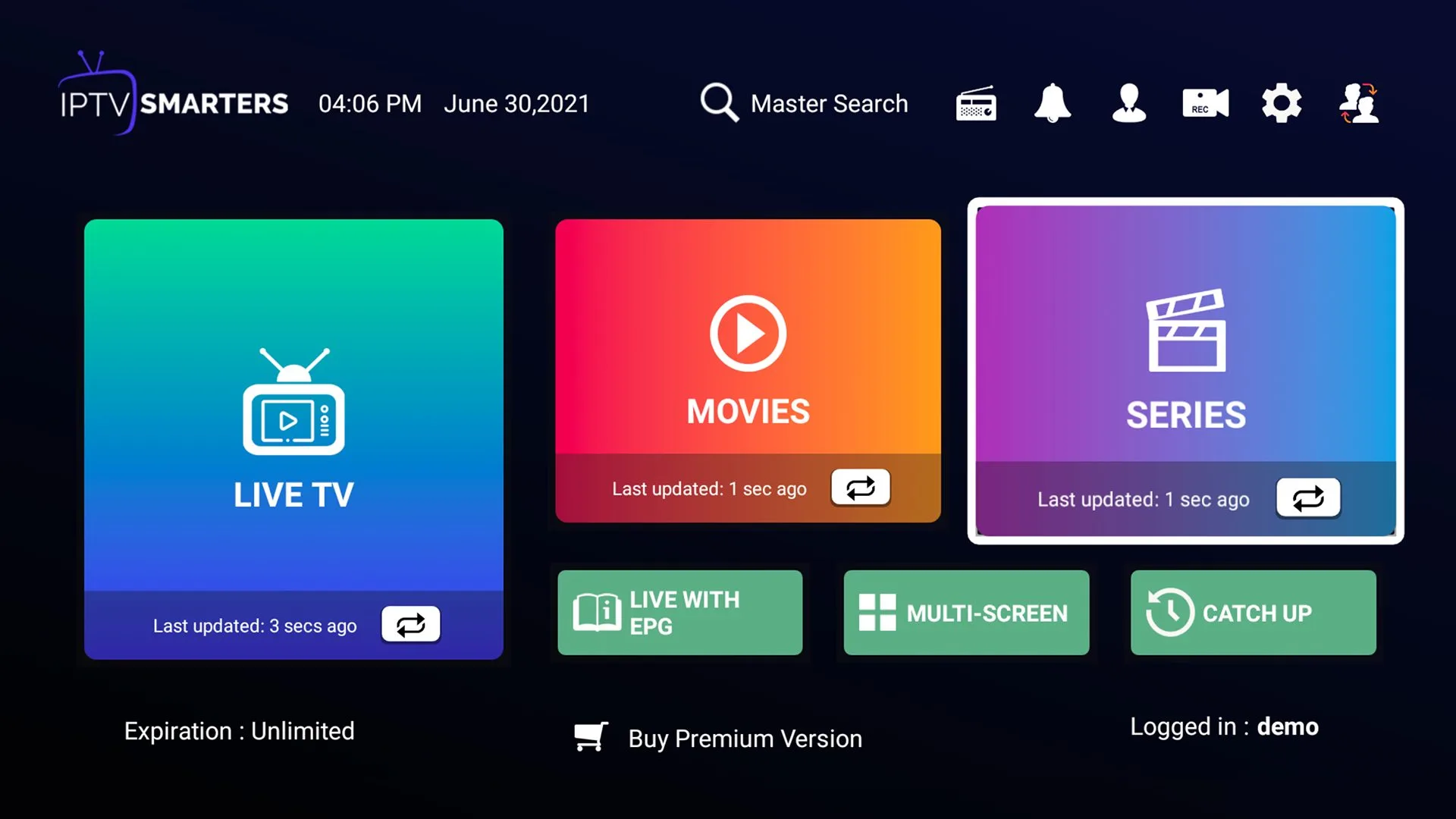
- Device Compatibility: Ensure the subscription is compatible with your primary streaming device. Nearly all of them offer standard connection methods, which are compatible with popular apps like TiviMate and IPTV Smarters Pro.
- EPG (Electronic Program Guide) Quality: A good EPG makes a world of difference. You want one that is correct and responsive. A poorly implemented guide will ruin the experience.
- Trial Periods: Do not commit to a 12-month plan without a trial. Reputable services will provide a short free test or a very cheap one-month plan to test the waters.
- Community Reputation: Search for feedback from real users. Remember that some negative reviews are normal, you're looking for a trend of major problems like constant buffering or poor support.
How to Get Started with IPTV
You've selected a service and are prepared to begin. The installation procedure is usually quite straightforward. First, you'll subscribe and receive your login credentials. After that, you must install an app to play the content on your device of choice (like a Firestick). The last step is to input the details from your provider, and the channels and VOD should load up automatically.
My single most important tip: Never, ever use an IPTV service without a VPN. A VPN encrypts your internet traffic, which prevents your Internet Service Provider (ISP) from seeing what you are streaming. This does more than just keep you anonymous—it can also help prevent your ISP from throttling (slowing down) your connection when it detects high-bandwidth video streams. This is a minor cost for major security.
Choosing a good VPN is just as important as choosing a good IPTV provider. Look for one that is quick, respects your privacy, and has a global network. For a thorough comparison of streaming-friendly VPNs, #link# is a great place to start your research.
My Concluding Thoughts on IPTV
Having tested dozens of providers over time, my answer is a definite yes, but it's not for everyone. If you are a tech-savvy individual who loves a massive amount of content for a low price, then IPTV offers an unbeatable proposition. Having access to a world of television at your fingertips for a fraction of the cost of cable is a genuine game-changer.
On the other hand, for users who need a service that just works flawlessly every time, you should probably consider more mainstream, albeit more expensive, options. It's a more active viewing experience than simply turning on a cable box. Ultimately, the decision comes down to your priorities: massive libraries and affordability, or flawless performance and convenience.
If you're interested in diving deeper, community forums are a great place to find provider recommendations and setup guides. You can find a lot of helpful people in online communities. If you want to check out some popular IPTV player apps to see how they work, you can #naked_link# for a good list. To read what other cord-cutters are saying, #link# is a very popular destination. Happy streaming, and enjoy your freedom from that cable bill!